Yellowstone Herbivore Diets and Microbiomes
After graduating from Skidmore College, I worked as a research assistant at Brown University for the Kartzinel Lab of Conservation and Molecular Ecology. I developed and performed lab protocols for the diet and microbiome analyses of Yellowstone National Park herbivores, which involved DNA metabarcoding using the chloroplast trnL-P6 marker from fecal and plant samples.
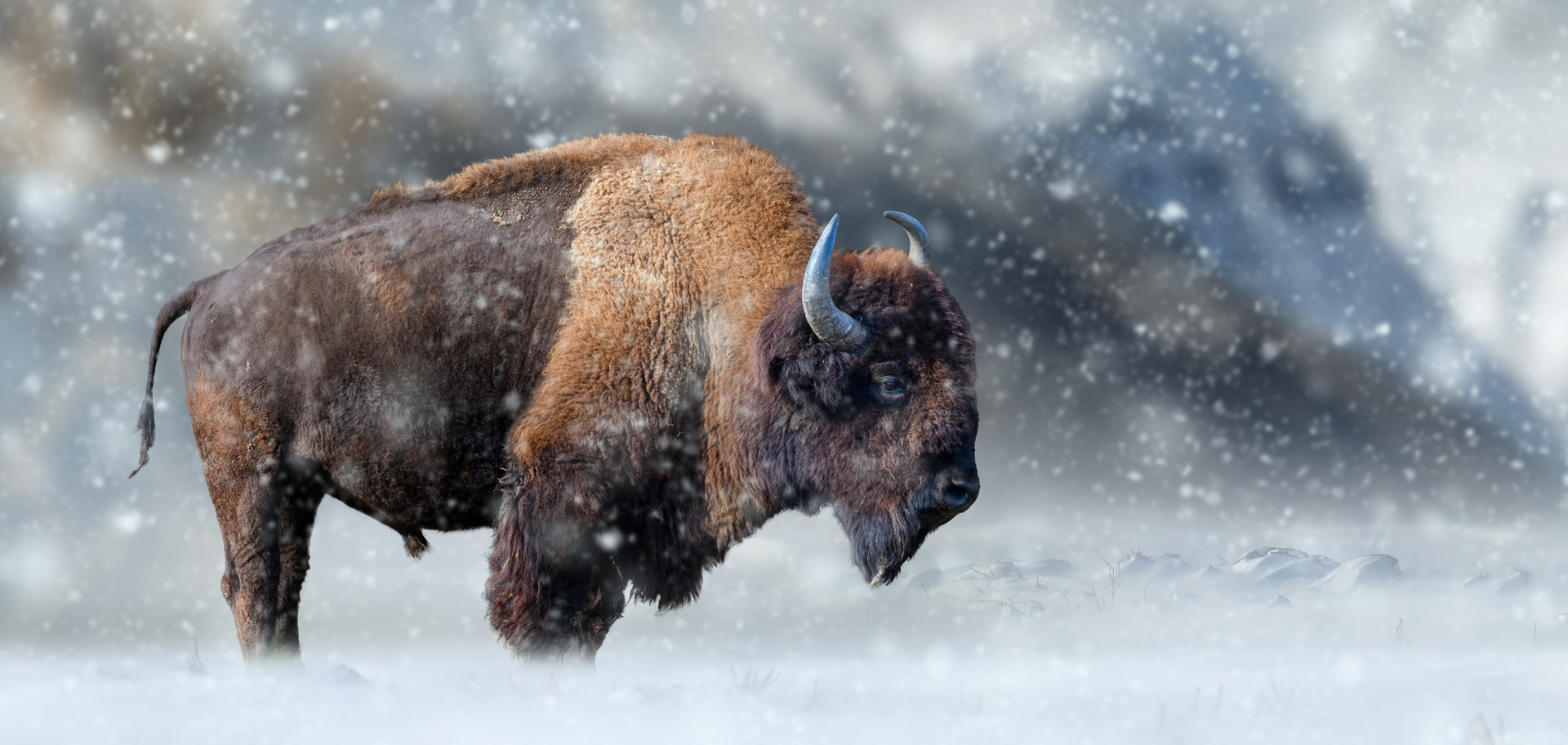
A bison in the snow (credit to byrdyak on AdobeStock).
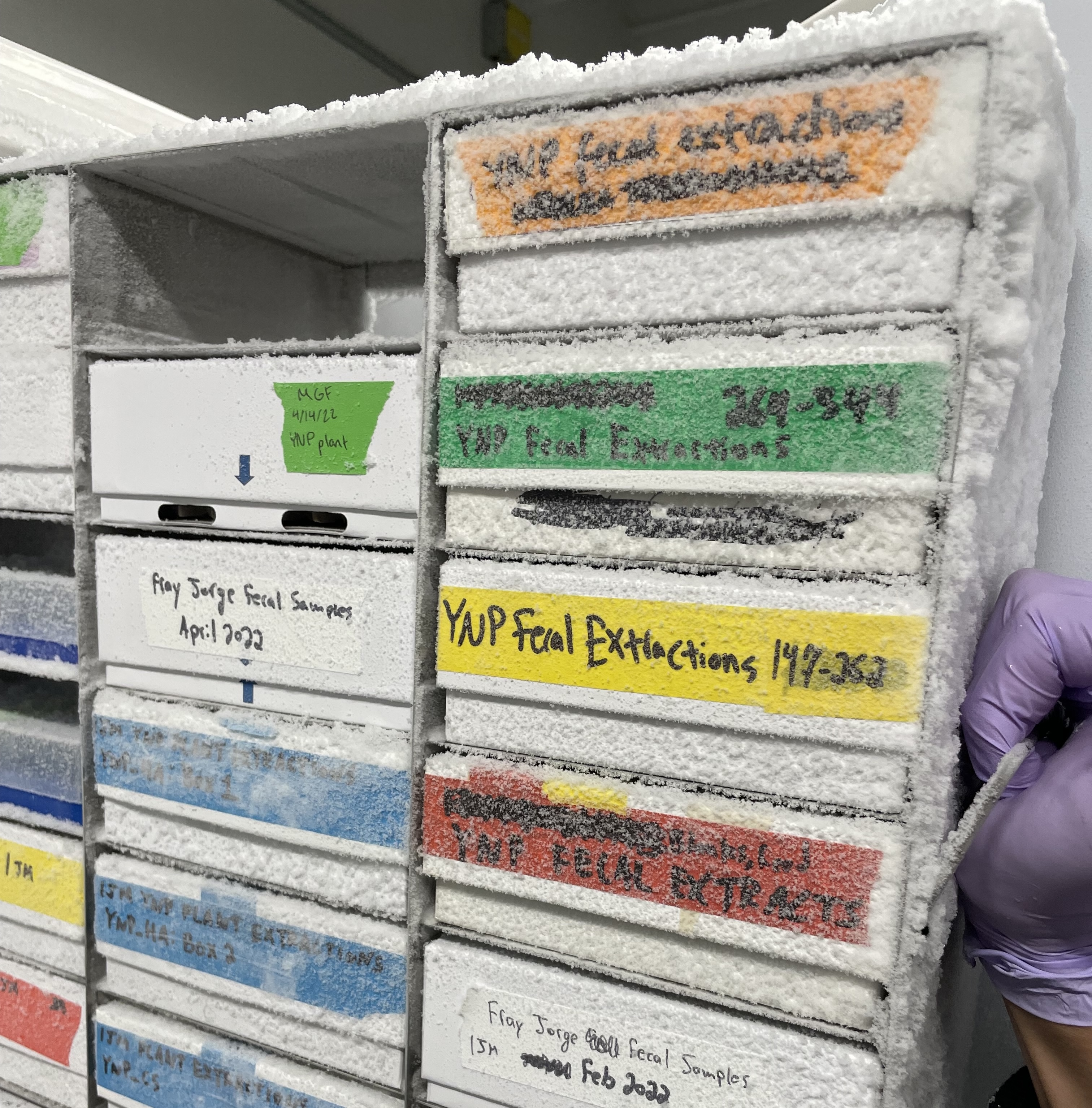
These diet data were assessed in relation to GPS tracks to uncover species-level seasonal movements and habitat use patterns.
In general, we found that larger species (e.g. bison) showed less dietary change and were less spatially constrained during the winter relative to smaller species (e.g. pronghorn).
This is likely due to size-based superiority in accessing limited resources.
See the publication here.